The rise of lab grown diamonds in modern jewellery
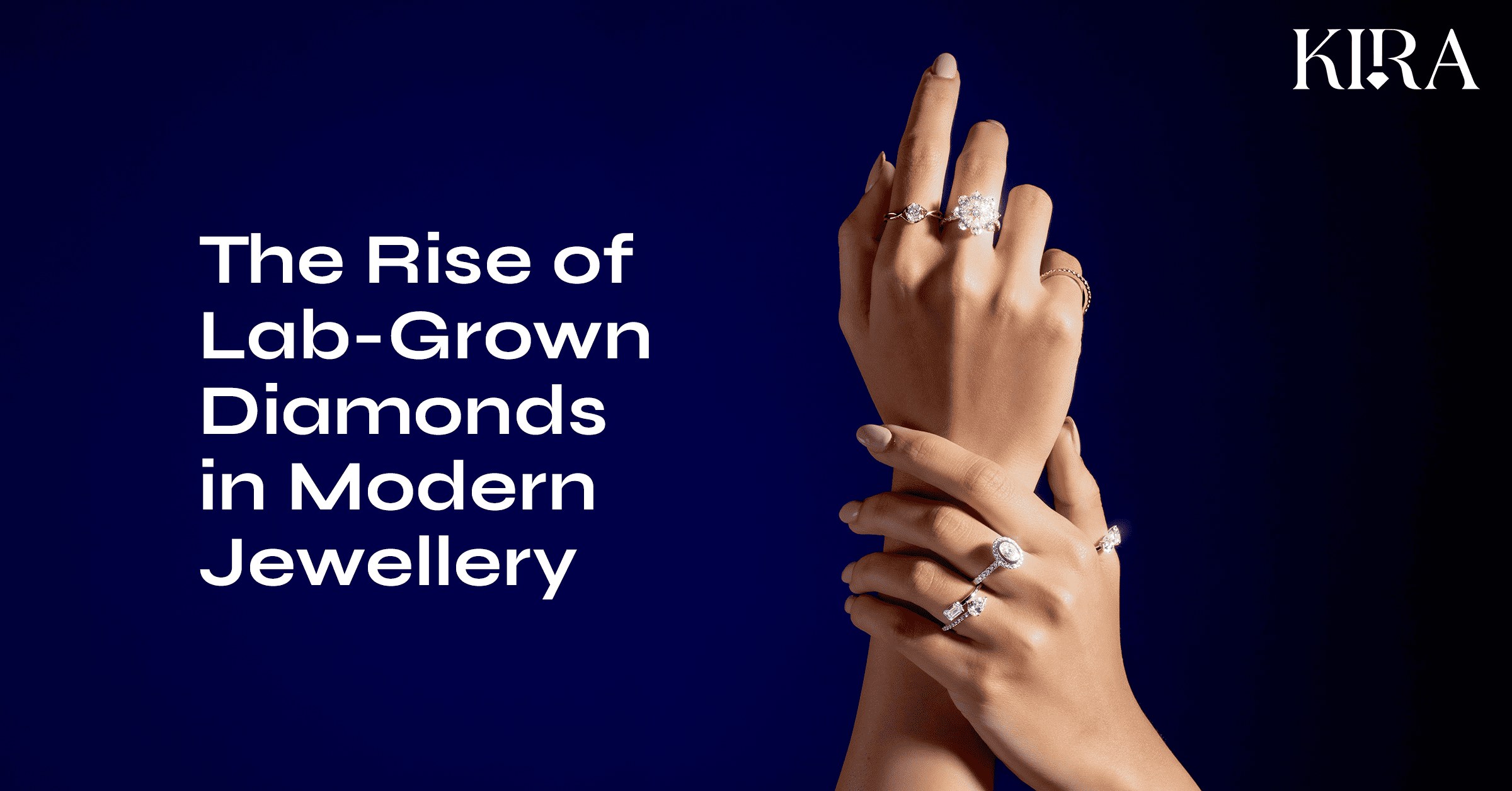
The jewellery industry is going through a noticeable shift. Over the past decade, lab grown diamonds have moved from being a niche alternative to a dominant force in contemporary design. What was once considered experimental is now embraced by designers, retailers and buyers alike.
This rise reflects more than a trend. It mirrors changing lifestyles, evolving values and a growing desire for transparency. Today's buyers are informed, design-conscious and mindful of impact. In this environment, lab grown diamonds align neatly with modern expectations of beauty, responsibility and practicality.
Evolution of lab grown diamonds
From early adoption to mainstream acceptance
The journey began in controlled laboratory environments where scientists successfully replicated the natural growth process. Initially these stones were used mainly for industrial purposes. As quality improved and production techniques were refined, their potential in fine jewellery became clear.
In the early stages, buyers approached them with curiosity and caution. Questions around authenticity and durability were common. Over time, education and certification helped clarify that these stones share the same chemical, physical and optical properties as mined ones.
Gradually, what started as an alternative became a confident preference. Designers began using them in engagement rings, statement pieces and everyday jewellery. Today they are widely accepted, appreciated not just for their origin but for their quality and versatility.
Technological advances
A major reason behind this rise is technological progress. Advanced methods such as high pressure high temperature (HPHT) and chemical vapour deposition (CVD) have made it possible to create stones that are virtually indistinguishable from mined ones.
These improvements have enhanced clarity, cut precision and overall consistency. As production became more efficient, availability increased and prices stabilised. This combination of quality and accessibility has accelerated their integration into collections worldwide.
Technology has also made customisation easier. Designers can now experiment with shapes, sizes and settings with greater flexibility, which has expanded creative possibilities across jewellery categories.
Why modern jewellery brands prefer lab grown diamonds
Cost efficiency and design freedom
One of the strongest advantages is cost efficiency. Compared to mined stones, they are generally more affordable while keeping the same visual and structural characteristics. This pricing flexibility allows brands to experiment with bold designs and larger centre stones without significantly increasing costs.
For designers this means greater creative freedom. Intricate patterns, layered settings and contemporary silhouettes become more achievable. Brands can introduce trend-driven collections while maintaining premium quality standards.
As a result, lab grown diamonds are not simply substitutes. They are enablers of innovation, supporting both understated elegance and dramatic expression.
Meeting ethical consumer demand
Modern buyers increasingly consider the story behind their purchases. Transparency, ethical sourcing and sustainability influence decisions across industries, including jewellery.
Lab grown diamonds offer a traceable production process. Their controlled creation reduces many of the uncertainties associated with traditional mining. For brands, this clarity supports stronger communication around responsible practice and builds trust.
Changing buyer behaviour
Preference for sustainable jewellery
Today's buyers are motivated by more than aesthetics. They want products that reflect their personal values and lifestyle choices. Sustainable fashion, conscious consumption and ethical production are no longer secondary considerations.
Jewellery, often bought to mark meaningful milestones, is expected to carry emotional and ethical significance. Buyers want assurance that their choices contribute positively.
In this context, lab grown diamonds resonate strongly. They represent a balance between timeless elegance and modern responsibility.
Everyday and fine jewellery use
Another notable shift is in how these stones are worn. They are no longer reserved for special occasions. Contemporary fashion encourages mixing fine jewellery with everyday outfits, blending luxury with casual style.
Lab grown diamonds support this versatility. Their affordability allows buyers to build diverse collections, from delicate daily-wear studs to statement necklaces and bridal sets. They now appear in stackable rings, office-ready pendants and occasion-specific pieces alike.
The future of jewellery
Global growth and market expansion
The momentum shows no sign of slowing. As awareness grows, more global markets are embracing these stones. Retailers are expanding their offerings, designers are dedicating entire collections to them, and growers such as KIRA Diam are supporting the shift with improved quality, scale and consistency.
Technological innovation is expected to improve production efficiency and consistency further. With continued advances, availability will likely increase, making these stones even more accessible across price segments.
Looking ahead, lab grown diamonds are set to shape the industry's future. They combine craftsmanship with innovation, tradition with technology, and luxury with responsibility. As buyers continue to prioritise thoughtful purchasing, their influence will only expand.
The rise of lab grown diamonds is not a passing phase. It is a redefinition of what modern jewellery can be: beautiful, versatile and aligned with contemporary values.