How lab grown diamonds are making coloured stones accessible and shaping fashion
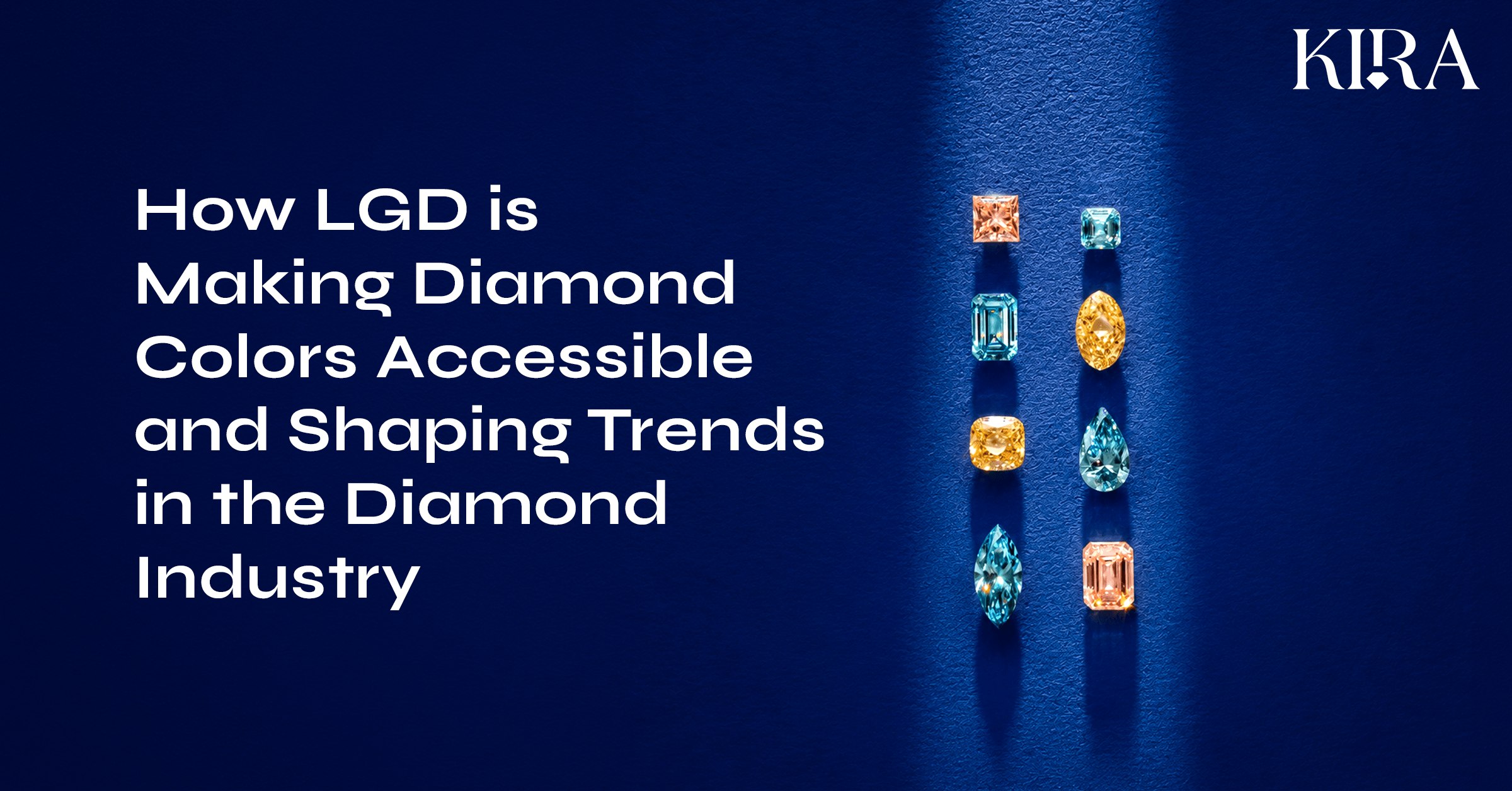
The modern market is evolving rapidly. Consumers today are not only looking for brilliance and craftsmanship but also for individuality, transparency and variety. One of the most noticeable shifts in recent industry trends is the growing demand for coloured stones. Shades such as pink, blue, yellow and green have become symbols of unique style and personal expression.
Traditionally, coloured diamonds have been extremely rare and expensive. Their scarcity limited access to only a small group of buyers. However, the rise of the lab grown diamond industry has begun to transform this landscape.
Through advanced technology, coloured lab grown diamonds are making vibrant hues more accessible to designers, retailers and consumers. These stones possess the same chemical and crystal structure as mined diamonds but are produced in controlled laboratory environments. As a result, they offer consistent quality, wider colour availability and more accessible pricing.
Accessibility of coloured stones
Traditional challenges with natural coloured diamonds
For decades, coloured diamonds have fascinated collectors and luxury buyers. However, their rarity created significant barriers. Key challenges include:
- Extreme rarity in nature.
- Very high market prices.
- Limited availability of certain colours.
- Difficulty sourcing matching stones for jewellery collections.
Because of these factors, coloured diamonds were mostly reserved for auction pieces or ultra luxury collections.
How lab grown production overcomes these challenges
Advances in technology have made it possible to create coloured lab grown diamonds using controlled processes such as chemical vapour deposition. In this process, carbon atoms are deposited onto a seed inside a controlled chamber. By adjusting conditions during growth, manufacturers can influence the colour, creating a wider palette of shades.
Today, coloured lab grown diamonds are available in multiple colours, including:
- Yellow.
- Pink.
- Blue.
- Green.
- Champagne tones.
- Fancy colour variations.
Because these stones can be produced with greater consistency, designers now have reliable access to matching stones for earrings, bracelets and statement pieces.
Popular examples of colour trends include pink stones in fashion jewellery, yellow stones in minimalist rings, and blue stones used in contemporary designer collections. This variety is expanding creative possibilities across the industry.
The impact on the industry
Changing consumer preferences
Modern consumers increasingly value individuality in their jewellery choices. Instead of traditional designs, buyers now seek pieces that reflect personal style. Key shifts include:
- Demand for personalised jewellery.
- Preference for coloured stones over classic colourless ones.
- Interest in modern and unconventional designs.
- Greater attention to sourcing transparency.
Coloured lab grown diamonds support this shift by allowing designers to create customised jewellery with unique colours and patterns.
Market shifts
The rise of the lab grown diamond industry is reshaping the global market. Several factors are driving this change:
- Increased consumer awareness of lab grown diamonds.
- Technological improvements in manufacturing.
- Growing acceptance of lab grown stones in luxury retail.
- Wider availability of coloured options.
Today, many retailers present lab grown diamonds alongside mined diamonds, allowing customers to compare stones based on measurable characteristics such as cut, colour and clarity.
Influence on pricing
One of the most significant impacts is the affordability they bring to the market. Natural coloured diamonds often command extremely high prices due to their rarity. In contrast, coloured lab grown diamonds allow consumers to access vibrant hues without the traditional price barriers.
This affordability has helped democratise access, allowing more buyers to experiment with larger stones, coloured centre stones, multi stone designs and bold jewellery styles.
Lab grown diamonds and fashion trends
Influence on high fashion and couture
Fashion houses and designers are embracing coloured lab grown diamonds as creative tools. Because designers can source consistent stones in specific shades, they can build cohesive collections across rings, earrings, necklaces and bracelets.
High fashion collections increasingly feature pink statement jewellery, yellow cocktail rings and blue accents in couture pieces. These designs show how colour options are expanding the boundaries of jewellery design.
Everyday fashion and jewellery
Beyond couture, coloured lab grown diamonds are becoming popular in everyday jewellery. Consumers now use them in stackable rings, minimalist pendants, fashion forward stud earrings and tennis bracelets.
This shift reflects a broader change in industry trends, where fine stones are no longer reserved only for special occasions but are integrated into daily style. The accessibility of colour allows buyers to experiment with bold looks while maintaining the brilliance and durability they expect.
Future fashion predictions
As technology continues to advance, the role of colour innovation in fashion will likely expand. Future trends may include:
- Multi coloured jewellery collections.
- Designer collaborations featuring vibrant stones.
- Personalised coloured engagement rings.
- Greater use of coloured stones in contemporary fashion accessories.
Impact on the latest fashion
Notable collaborations and partnerships
The growing popularity of coloured lab grown diamonds has encouraged collaborations between producers, designers and fashion brands. These collaborations allow designers to experiment with colours and shapes while maintaining consistent supply and quality, bridging the gap between manufacturing and fashion innovation.
Jeweller success stories
Many brands have successfully integrated coloured lab grown diamonds into their collections. Examples include fashion brands launching coloured capsule collections, designers using pink and yellow stones in contemporary engagement rings, and retailers introducing colourful lines for younger consumers.
Conclusion
The rise of lab grown diamonds has significantly reshaped modern industry trends. By making coloured stones more accessible, they have expanded the creative and commercial possibilities within the jewellery world.
At KIRA we operate one of the biggest lab grown diamond manufacturing facilities in Surat, spread across 1,000,000 sq. ft. and powered by over 8,000 machines. Our operations follow a comprehensive in house process from seed to jewellery, allowing us to maintain complete control over quality and precision at every stage. We offer a wide variety of shapes and sizes ranging from 0.18 to 10 carats, along with multiple colour options to meet diverse market preferences. With offices in New York, Mumbai and Surat, we ensure seamless end to end supply chain management.