Inside a lab grown diamond manufacturing process: step by step
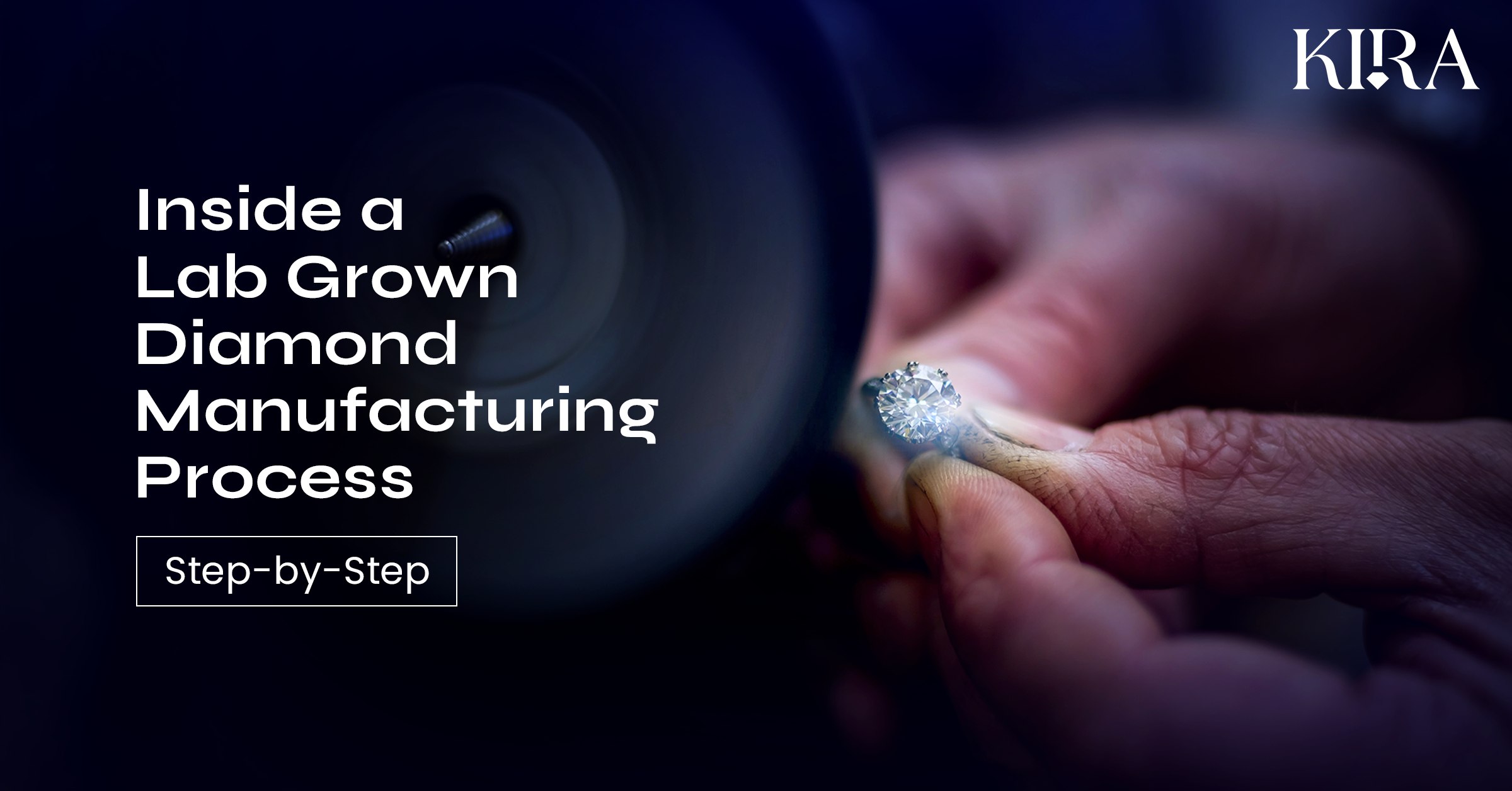
Diamond creation was once synonymous with geology and deep earth mining. Today, technology has transformed that narrative. Through precisely controlled laboratory environments, stones can now be grown with remarkable accuracy, consistency and efficiency.
Understanding the lab grown diamond manufacturing process is more than scientific curiosity. For buyers, jewellery brands and wholesalers, transparency in how stones are created builds trust, validates authenticity and reinforces quality assurance.
Lab grown diamonds differ from mined diamonds only in origin. Instead of forming underground over billions of years, they are created in laboratories using advanced growth technologies that replicate natural conditions.
What are lab grown diamonds?
Lab grown diamonds are real diamonds created in controlled laboratory conditions rather than extracted from the earth. Scientifically they share the same:
- Chemical composition. Pure crystallised carbon.
- Physical structure. Cubic crystal lattice.
- Optical properties. Identical brilliance, fire and hardness.
Because they possess the same atomic structure and durability as natural diamonds, they are graded using the same global standards and are considered genuine diamonds in every measurable way. The only difference lies in origin.
Raw materials used
The manufacturing process begins with carefully selected raw materials and controlled environmental parameters.
Seed crystals
Every lab grown diamond begins with a tiny seed. This seed is a thin slice of an existing crystal that acts as the foundation for new growth. It determines the orientation and structure of the final stone.
Carbon source
Diamonds are made of carbon. In CVD processes, carbon rich gases such as methane are used. In HPHT systems, pure carbon sources are subjected to extreme pressure and heat.
Controlled environment
Precision is critical. The following must be tightly regulated:
- Temperature.
- Pressure.
- Gas composition.
- Growth duration.
Small variations can influence clarity, colour and overall crystal formation. Advanced facilities use automated systems to monitor these parameters continuously.
Step by step manufacturing process
Step 1: preparing the seed
The process begins by carefully cleaning and positioning the seed. Surface preparation ensures optimal bonding and consistent crystal growth.
Step 2: placing the seed in the growth chamber
The seed is placed inside a specialised growth chamber. Depending on the chosen method, this chamber will simulate either high pressure and high temperature conditions or a plasma rich carbon environment.
Step 3: growth using CVD or HPHT technology
Two primary technologies are used, chemical vapour deposition and high pressure high temperature. In both cases carbon atoms begin attaching to the seed, forming a new crystal.
Step 4: layer by layer crystal formation
Carbon atoms deposit gradually, forming layer upon layer over several weeks. This controlled growth allows manufacturers to optimise clarity, size and crystal orientation. Unlike natural formation, where conditions are unpredictable, laboratory environments allow consistent monitoring and refinement.
Step 5: cooling and extraction
Once the stone reaches the desired size, the chamber is cooled gradually. The rough crystal is then carefully extracted and inspected for structural integrity. At this stage it resembles a rough mined diamond and is ready for cutting and finishing.
CVD and HPHT methods compared
Both technologies produce genuine diamonds, but the processes differ.
CVD, chemical vapour deposition
- Uses carbon rich gas in a vacuum chamber.
- Plasma energy breaks down gas molecules.
- Carbon atoms deposit on the seed.
- Allows high control over clarity and scalability.
- Commonly preferred for large scale production.
CVD is known for precision control and efficiency, making it widely adopted by modern facilities and trusted CVD manufacturers.
HPHT, high pressure high temperature
- Replicates natural earth conditions.
- Uses extreme pressure and heat.
- Carbon melts and crystallises around the seed.
HPHT is effective for producing certain types of crystals and fancy colours.
Key differences
- CVD offers greater scalability and process monitoring.
- HPHT closely mirrors geological conditions.
- Both require post growth refinement and grading.
Manufacturers may specialise in one method or use both, depending on production goals.
Cutting, polishing and quality grading
Once extracted, the rough stone undergoes transformation through skilled craftsmanship.
Cutting and polishing
Expert planners analyse each crystal using advanced scanning software to determine how to maximise yield and brilliance. Precision cutting ensures optimal light reflection. Polishing refines each facet to achieve exceptional symmetry and fire. The final brilliance depends heavily on this stage.
Certification and grading
After finishing, stones are sent to recognised gemological laboratories such as IGI or GIA for grading. The 4Cs, cut, colour, clarity and carat, are evaluated using the same standards applied to mined diamonds. This certification confirms authenticity and quality.
Why manufacturing transparency matters
Traceability and ethical assurance
Lab grown diamonds remove many concerns associated with traditional mining. However, clear documentation of the manufacturing process builds further confidence for retailers and consumers.
Consistency at scale
Advanced facilities ensure controlled production cycles, uniform assortments, predictable output and reliable quality grading. For jewellery brands and wholesalers, this consistency simplifies inventory planning and strengthens customer trust.
Building industry confidence
Understanding how stones are grown enhances credibility across the value chain. Buyers are increasingly interested in origin stories, environmental impact and technological innovation. Transparent practices help elevate lab grown diamonds from an alternative choice to mainstream luxury.
Final thoughts
The lab grown diamond manufacturing process is a remarkable blend of science, engineering and craftsmanship. From seed preparation to final certification, every stage is carefully controlled to produce stones that match the beauty and durability of natural ones.
For jewellery brands, retailers and conscious consumers alike, understanding this journey reinforces one essential truth: lab grown diamonds are not substitutes, they are scientifically created diamonds designed for the future of modern luxury.
At KIRA we operate one of the largest lab grown diamond manufacturing facilities in Surat, spanning 1,000,000 sq. ft. and powered by over 8,000 advanced machines. These facilities let us manage the entire process in house, from seed to finished jewellery, with precision, scale and consistent global quality standards.