How lab grown diamonds are making coloured stones accessible and shaping fashion trends
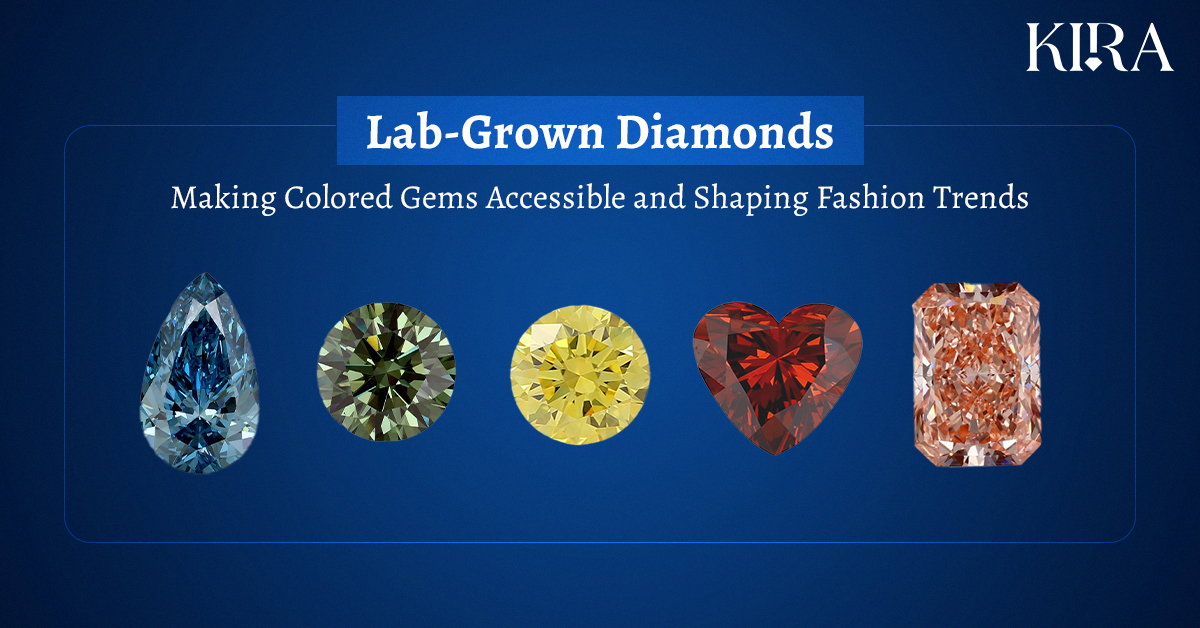
The diamond industry has long been associated with luxury, exclusivity and undeniable appeal. Among the gems that capture attention, coloured stones stand out for their rarity and beauty. From the intense blue of the Hope Diamond to soft pink hues, these gems are highly coveted but often out of reach because of their scarcity and very high prices.
Lab grown diamonds are a game-changing innovation. They are not only making fine stones more affordable, they are democratising access to colour. Vibrant, colourful stones are now within reach for anyone with a passion for unique and personalised jewellery. They are also setting new trends in the fashion industry.
Accessibility of coloured stones
Traditional challenges with natural coloured diamonds
According to IGI, only about 1 in 10,000 natural gem quality diamonds is fancy coloured.
Coloured stones have always been the height of luxury, but their rarity has also been their biggest drawback. That scarcity is reflected in the price tags. A natural fancy vivid blue stone, for example, can cost millions of dollars per carat, putting it beyond reach for most people.
Another limitation is variety. The colours that occur naturally, pink, blue, yellow and green, are beautiful but limited. For anyone seeking a specific shade or a more unusual hue, the natural options are minimal and often prohibitively expensive.
How lab grown diamonds overcome these challenges
Lab grown diamonds, created through advanced processes such as chemical vapour deposition (CVD) or high pressure high temperature (HPHT), have changed the picture. These processes allow precise control over the environment in which stones form, making it possible to produce a stunning array of colours. From deep purples and vibrant greens to soft pastels and intense blues, the colour options are close to limitless.
Lab grown diamonds are also far more affordable. Because they can be produced efficiently and in greater numbers, costs come down. A lab grown fancy yellow stone might cost a fraction of a natural one, opening up possibilities for buyers who would otherwise have settled for something less striking.
Lab grown pink stones offer the same beautiful hue as natural pinks at a much more accessible price point. Camila Mendes wore a 5.01-carat lab created pink stone to the People's Choice Awards in 2018, an example of the impact these stones are having in high fashion. The stone, which cost $175,000, showed the exceptional quality and beauty that lab grown diamonds can achieve.
The impact on the industry
Changing consumer preferences
Today's buyers increasingly seek unique and personalised items, and jewellery is no exception. Lab grown diamonds align well with this trend, offering a level of customisation that was previously out of reach. Whether it is a teal stone that matches your eyes or a lavender one that complements a favourite outfit, the possibilities for personalisation are endless.
The shift towards colour also reflects a broader change in preferences. People are moving away from traditional, clear stones and embracing the vibrancy and individuality that colour offers. This trend is particularly strong among younger buyers, who value self-expression.
Market shifts
According to industry analyst Paul Zimnisky, lab grown diamonds are forecast to generate $10 billion in incremental jewellery demand by 2026. This underlines their rapid growth and rising popularity.
As they gain ground, traditional mining faces new challenges. The shift is prompting the mined stone industry to reassess its practices and market positioning.
Influence on pricing
One of the most significant impacts is on pricing. By making coloured stones more affordable, lab grown diamonds are opening up what was once reserved for the elite. The lower price point allows more people to explore and enjoy colour, leading to more sales and wider acceptance.
A lab grown blue stone might be priced at a quarter of the cost of a natural blue one, making it possible for far more buyers to own such a piece. This affordability is changing the way people shop and encouraging them to experiment with bold choices.
Lab grown diamonds and fashion trends
Influence on high fashion and couture
Designers and luxury brands are increasingly incorporating coloured lab grown diamonds into their collections, drawn by the vibrant hues and the ethical appeal. Fashion houses such as Gucci and Givenchy have featured them in haute couture lines, showcasing their versatility on the runway.
One notable example is the collaboration between Pandora and a lab grown diamond company, which resulted in a collection of colourful, affordable jewellery. This partnership showed how these stones can be both fashionable and accessible.
Everyday fashion and jewellery
Beyond high fashion, lab grown diamonds are making their mark in everyday jewellery. Their accessibility and variety have led to a surge in colourful, everyday pieces that add a pop of colour to any outfit. From delicate pendant necklaces featuring pastel-coloured stones to bold, multi-stone rings, they let buyers experiment with their style in ways that were previously out of reach.
Future fashion predictions
As lab grown diamonds continue to gain popularity, we can expect them to play an even larger role in fashion. Emerging trends suggest coloured stones will become a staple in both high-end and everyday collections. The ability to experiment with colour at lower cost means buyers will keep embracing bold, unconventional choices.
Looking ahead, we expect more collaborations between fashion designers and growers, leading to innovative new designs. We may also see the rise of customisable, made-to-order jewellery where buyers choose the exact colour and shape of their stone.
Notable collaborations and partnerships
The partnership between De Beers and Lightbox resulted in a collection of brightly coloured lab grown diamond jewellery that is both stylish and affordable, making high-quality coloured stones accessible to a wider audience.
Another example is the collaboration between Swarovski and Atelier Swarovski, who launched a line of jewellery featuring lab grown diamonds in an array of colours, proving that luxury and sustainability can go together.
The future of coloured lab grown diamonds
Technological innovation
As the processes become more sophisticated, we can expect an even wider range of colours and higher levels of customisation. Ordering a stone in a favourite shade of blue, or one that changes colour depending on the light, could soon become reality.
Long-term market impact
As these stones become more mainstream, we can expect further shifts in preferences and market dynamics. The increased accessibility of coloured stones could reduce the perceived value of mined coloured stones, particularly if buyers keep prioritising affordability and ethics.
The rise also presents opportunities for innovation and growth. Brands that embrace this technology to create unique, high-quality products are likely to thrive.
Conclusion
Lab grown diamonds are transforming the world of coloured stones, making these once-rare gems accessible to a broader audience and influencing fashion trends in exciting new ways. Whether it is the affordability, the variety of colours or the ethical appeal, they are here to stay.
Looking for loose stones?
Discover KIRA, the world's largest CVD lab grown diamond manufacturer, offering over 250,000 certified stones ranging from 0.18 to 10+ carats, all from our state-of-the-art Surat facility. We specialise in fancy coloured stones in yellow, pink, blue and green, in a variety of shapes including round, oval, radiant, emerald, pear, princess and marquise. With 3000+ CVD machines and reliable global delivery, we can fulfil orders of any size.