7 diamond setting types: popular types of ring setting
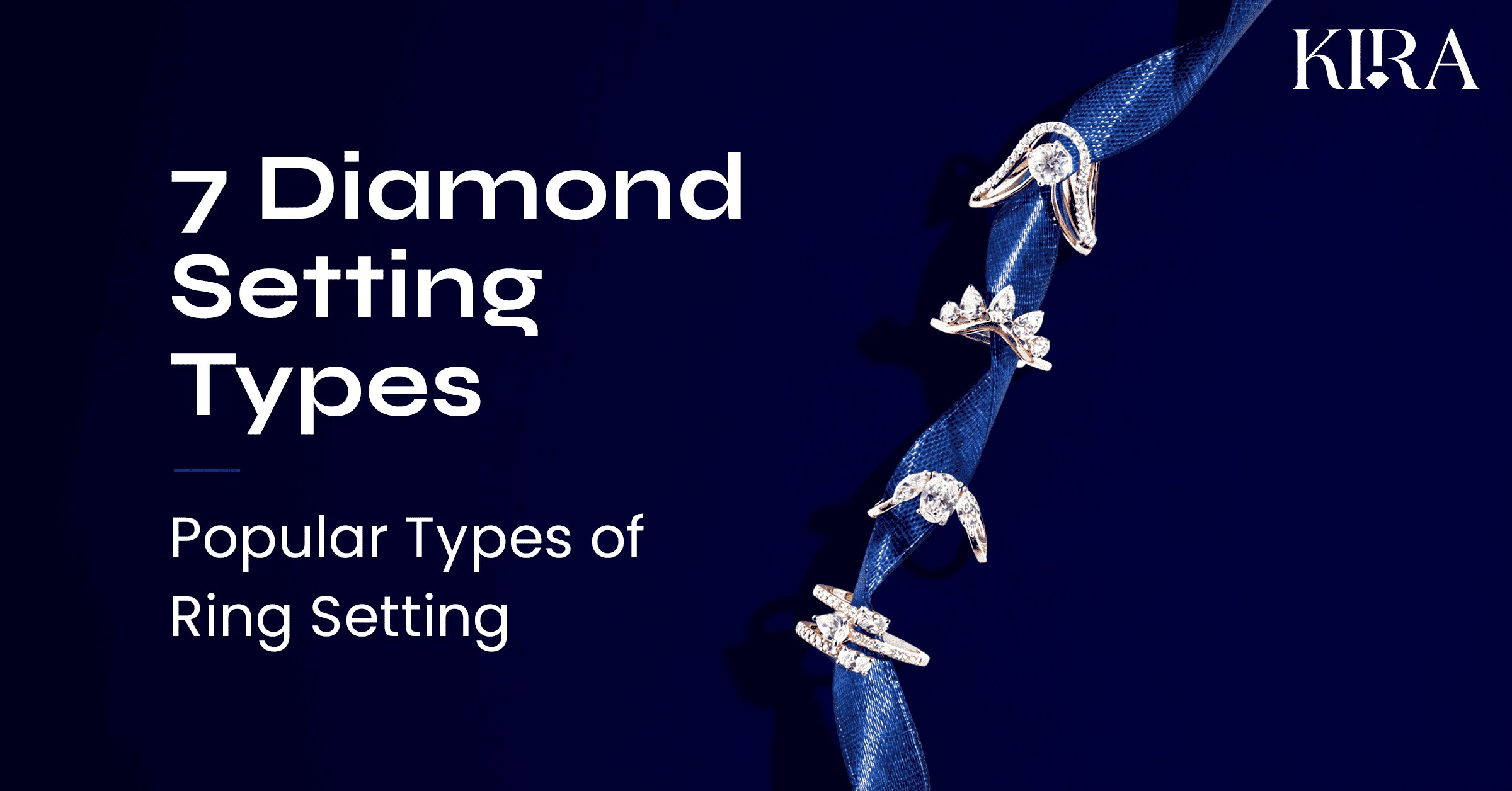
When choosing jewellery, most people focus on the gemstone itself. However, the setting plays an equally important role in the overall appearance, security and brilliance of the stone. The setting refers to the way the stone is mounted onto the ring or jewellery piece, and it directly influences how much light the stone reflects and how securely it is held in place.
There are many setting types available today, each offering a unique combination of style, durability and sparkle. Understanding these settings helps buyers select jewellery that matches both their aesthetic preferences and lifestyle needs. Different settings can also complement different stone shapes, enhancing beauty while providing protection.
This guide explores seven of the most popular setting styles and how they are used in modern jewellery design.
1. Prong setting
The prong setting is one of the most classic and widely recognised setting types, particularly in engagement rings. In this style, small metal prongs, usually four or six, hold the stone in place while leaving most of it exposed.
Advantages
- Allows maximum light to enter the stone, enhancing brilliance.
- Creates a timeless and elegant appearance.
- Works well with many stone shapes.
Disadvantages
- The exposed stone may be more vulnerable to damage.
- Prongs may require occasional maintenance to keep the stone secure.
Jewellery examples
Prong settings are commonly used in solitaire engagement rings, stud earrings and delicate pendant necklaces. Many modern brands also use prong settings in lab grown diamond jewellery, as the design allows the brilliance of the stone to stand out.
2. Bezel setting
A bezel setting surrounds the stone with a thin metal rim that holds it securely in place. Unlike prong settings, the metal frame partially or completely encircles the stone.
Benefits
- Extremely secure and protective.
- Ideal for active lifestyles.
- Offers a sleek and modern aesthetic.
Popular designs
Bezel settings are often seen in contemporary engagement rings, minimalist pendants and everyday jewellery. This design complements many shapes, especially oval, round and emerald cuts. Many luxury collections, including classic and luxe lines, feature bezel settings because of their elegant and modern appearance.
3. Pave setting
The pave setting is known for its dazzling sparkle. In this style, small stones are placed closely together along the surface of the ring or band, creating the illusion of a continuous line of light.
Characteristics
- Multiple small stones set with tiny prongs or beads.
- Creates a paved surface effect.
- Enhances the brilliance of the entire piece.
Visual impact
Pave settings are widely used in engagement rings, wedding bands and statement jewellery because they dramatically increase sparkle. Jewellers frequently use certified lab grown diamonds in pave designs to achieve luxurious brilliance at a more accessible price point.
4. Channel setting
Channel settings feature stones placed between two parallel strips of metal within the ring band. The stones sit flush with the metal edges, forming a clean and streamlined design.
Benefits
- Very secure placement.
- Protects stones from chipping or damage.
- Smooth surface, ideal for daily wear.
Jewellery applications
Channel settings are commonly used in wedding bands, anniversary rings and elegant bracelets. These designs work beautifully with small round or princess cut stones. Many manufacturers also use this setting style in modern collections, offering durable and stylish options.
5. Tension setting
Tension settings are among the most modern and visually striking options. Instead of traditional prongs or metal frames, the stone is held in place by the pressure of the metal band.
Advantages
- Creates the illusion of a floating stone.
- Allows maximum light exposure.
- Offers a contemporary and minimalist design.
Challenges
- Requires precise engineering to maintain security.
- Typically best suited for very durable stones.
Jewellery designs
Tension settings are popular in modern engagement rings and designer pieces. When paired with lab grown diamonds, they create a sleek and innovative look that appeals to contemporary buyers.
6. Bar setting
Bar settings hold stones between vertical metal bars rather than prongs. Each stone is separated by a small bar, which provides both structure and visual spacing.
Benefits
- Secure placement for multiple stones.
- Clean and geometric appearance.
- Allows more light than channel settings.
Examples
Bar settings are often used in rings, tennis bracelets and eternity bands. They combine durability with a stylish design that complements many shapes. Many suppliers provide bar setting designs as part of collections featuring lab grown diamonds.
7. Halo setting
Halo settings are among the most popular styles in engagement rings. In this design, a central stone is surrounded by a circle, or halo, of smaller stones.
Advantages
- Makes the centre stone appear larger.
- Adds extra brilliance and sparkle.
- Creates a glamorous and eye catching design.
Jewellery examples
Halo settings are commonly used in engagement rings, earrings and pendants. They are especially effective for oval, cushion and pear shapes. Today, many halo rings feature certified lab grown diamonds, allowing buyers to achieve luxurious sparkle while embracing sustainable options.
Conclusion
Settings play a crucial role in defining the overall beauty, durability and character of a piece of jewellery. From the classic elegance of prong settings to the modern sophistication of tension and bezel designs, each setting offers unique benefits.
By understanding these seven popular setting types, buyers can make informed choices that match their style, lifestyle and design preferences. Whether selecting engagement rings, earrings or bracelets, exploring various settings helps highlight the brilliance of the stone. Modern collections also show how versatile lab grown diamond jewellery can be across these settings, offering both sustainability and timeless elegance.